FOR HOMEOWNERS
Picture the everyday use.
Think about the route to the terrace, the windows you rarely reach and how you would prefer to control them. Clear priorities help shape the automation scope.

AIRLA INSIGHTS
Understand what makes an opening move well. Practical guidance on planning automation, choosing controls and assessing existing doors and windows.
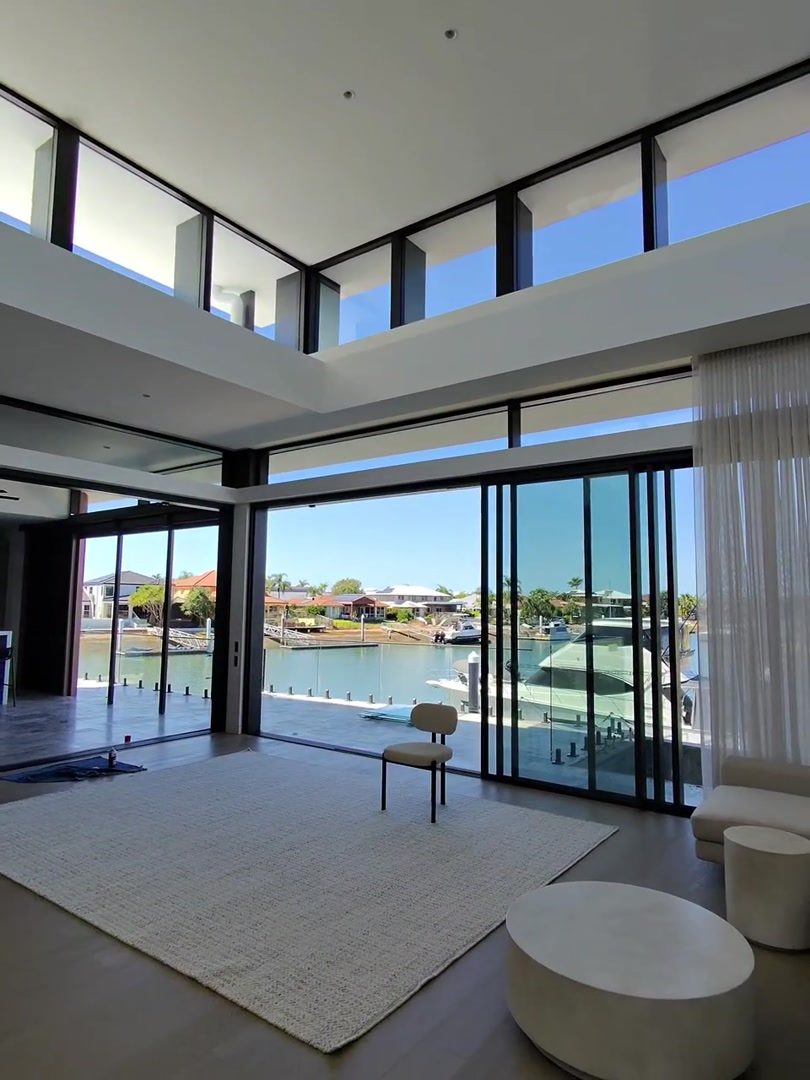
THE OPENING COMES FIRST
Automation makes suitable large doors easier to operate and high-level windows more convenient to use. The right result starts with the opening, the way you want to use it and coordination between the people delivering the project.
FOR HOMEOWNERS
Think about the route to the terrace, the windows you rarely reach and how you would prefer to control them. Clear priorities help shape the automation scope.
FOR PROFESSIONALS
Opening schedules, moving weight, motor space, cable routes and controls all influence the design. Bring the opening manufacturer into the conversation early.
FOR MANUFACTURERS
Airla supplies the automation around suitable doors and windows. We work with manufacturers to assess motor selection, mounting, hardware and installation access.
01 / PLANNING
Door and window automation works best when it is considered alongside the opening. Begin with what the door or window needs to do: connect a living space to the outdoors, provide convenient ventilation or reduce the effort involved in moving a large panel.
Share its configuration, dimensions and estimated moving weight. For a sliding door, distinguish the number of panels from the number that move. For a window, identify the opening type, where it is hinged and the required movement. Drawings and clear photos help Airla understand the available space and hardware.
The motor needs suitable mounting space, power and access. Agree cable routes and control locations with your project team before finishes make changes difficult. Airla works with your door or window manufacturer to coordinate the automation; the manufacturer supplies the opening, frame, glazing and relevant hardware.
Decide whether the opening will operate independently or as part of a group, where people will stand to use it and whether sensors or compatible smart-home or building controls are relevant. Those choices help define the scope before a product is selected.
02 / CONTROLS
Controls connect the automation to everyday use. Start with the people using the space and the actions they need to take, then confirm which options suit the selected motor and control system.
A wall switch gives the opening a familiar control point. A compatible remote can be useful when you want to operate it from elsewhere in the space. Touchscreen options, including the 12-in-1 touchscreen in Airla’s range, may suit projects that need several functions brought together at one interface.
Motion, access and environmental controls serve different purposes. Explain whether you want a hands-free activation point, controlled access or a response to changing conditions. Sensor location and the intended sequence need to be assessed with the opening and its use.
Tell Airla which smart-home or building management system is proposed. The connection and available functions depend on the chosen equipment; compatibility should be confirmed before the control strategy is finalised. Agree which controls remain accessible locally and include the operating information in the handover.
03 / EXISTING OPENINGS
Some existing doors and windows can be automated. A retrofit assessment establishes whether the opening and surrounding space are suitable, what needs to be coordinated and which automation options are worth exploring.
The condition of the frame, moving panels, tracks, hinges and hardware matters. Automation needs to be selected around a suitable opening; it does not replace the assessment of a door or window that is difficult to move because of a hardware or alignment issue.
Take photos of the whole opening and the areas around its head, jambs and sill. Include the tracks or hinges, existing handles and the proposed location of controls. Let Airla know whether power is nearby and whether the opening is difficult to access.
Explain what you want to improve: easier movement of a large sliding door, access to a high-level window or more convenient control from within the room. The assessment may involve your opening manufacturer where hardware, mounting or the door or window itself needs attention.
Start with drawings, photos or a meaningful description. Airla can then assess the automation scope and explain what additional information is needed.
FURTHER READING
More guidance from Airla’s existing article library. Our project films show the opening movements and applications discussed here.
Share your drawings, photos or a clear description of the opening. We’ll help assess the motors and controls around your project.