Sliding and stacking doors
Operate a single slider or coordinate a larger multi-panel opening. The motor selection considers the panels that move, how the system stacks, track performance and the space available for integration.

SLIDING, STACKING & PIVOT DOORS
Bring convenient operation to large sliding, stacking and pivot doors with Airla door automation. We coordinate the motor and controls with your chosen door manufacturer, so the movement is considered as carefully as the opening.
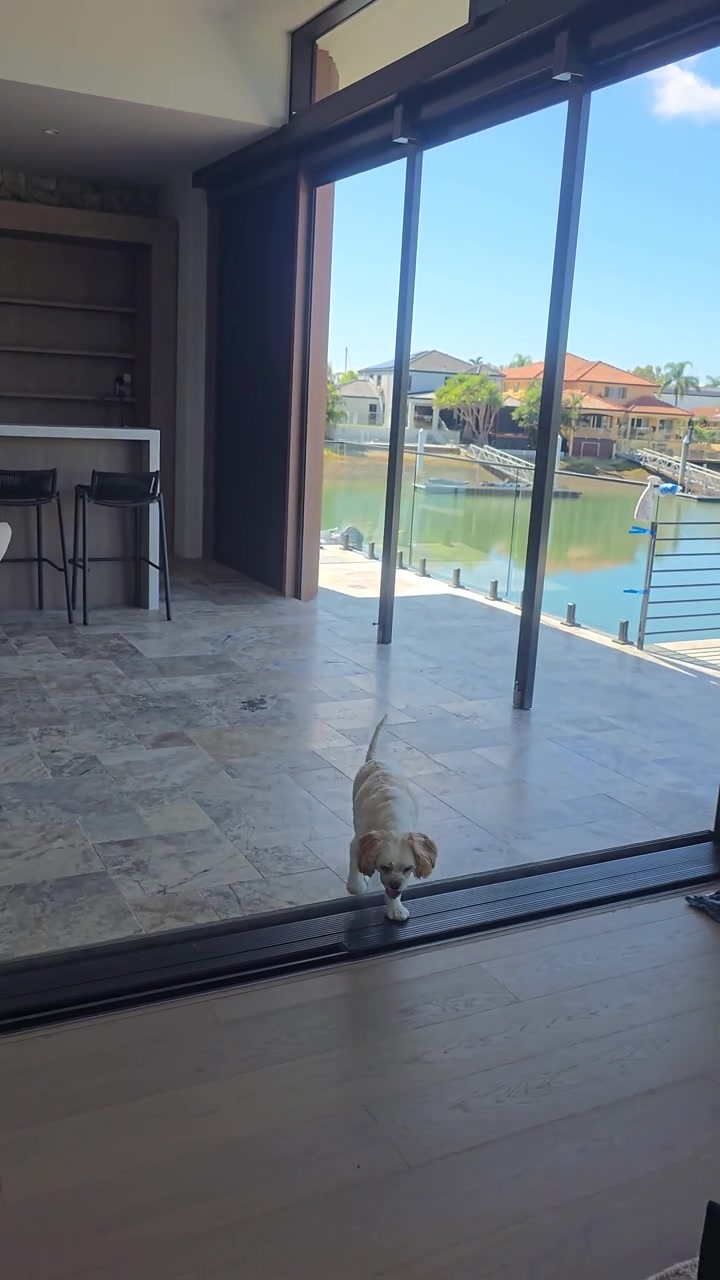
DESIGNED AROUND THE OPENING
A large glazed door connects the inside and outside beautifully. Automation helps make that connection part of everyday life, giving you a convenient way to open and close a suitable system.
We start with the door configuration, total moving panel weight and available motor space. From there, Airla assesses the motor, controls and installation details with your manufacturer and project team.
Operate a single slider or coordinate a larger multi-panel opening. The motor selection considers the panels that move, how the system stacks, track performance and the space available for integration.
Plan powered operation around a statement entrance or a suitable internal pivot. We assess the door geometry, operating requirements, motor position and the coordination of controls and locking.
Choose a wall switch, remote or compatible access control. The most useful combination depends on who uses the door, where they approach it and how the opening should operate.
Airla supplies, installs and commissions automation. Your chosen manufacturer supplies the doors, windows and glazing. Motor, actuator and control selection is confirmed against the opening, hardware, installation space and project requirements.
MOTOR SELECTION / THE DETAILS
From a compact slider to an expansive multi-panel opening, the right motor starts with the moving weight, panel arrangement and available space. Compare the published guide figures, then let Airla coordinate the automation with your door manufacturer.
| Motor | Guide moving weight | Panel configuration | Nominal dimensions |
|---|---|---|---|
| Tahoe | 180 kg | 1–2 panels | 45 × 50 × 485 mm |
| Sierra | 450 kg | 2–3 panels | 70 × 75 × 560 mm |
| Peak | 1,300 kg | Up to 8 panels¹ | 90 × 190 × 460 mm |
| Everest | 3,600 kg | Project-specific² | 90 × 190 × 460 mm |
| Pivot door motor | 600 kg | Single / multiple panels | 585 × 90 × 90 mm |
Figures from Airla’s specification guide, p. 6. Maximum combined moving weight and nominal dimensions are guide values, not a complete selection or cavity-clearance specification. ¹ Peak panel ranges differ between Airla’s guide (3–8) and the later manufacturer sheet (6–8); confirm the motor variant. ² Everest has no fixed panel-count limit in the guide; load and configuration still require assessment.
Explore the motor range and everyday controls. These are starting points for selection; Airla confirms the combination against your door system.

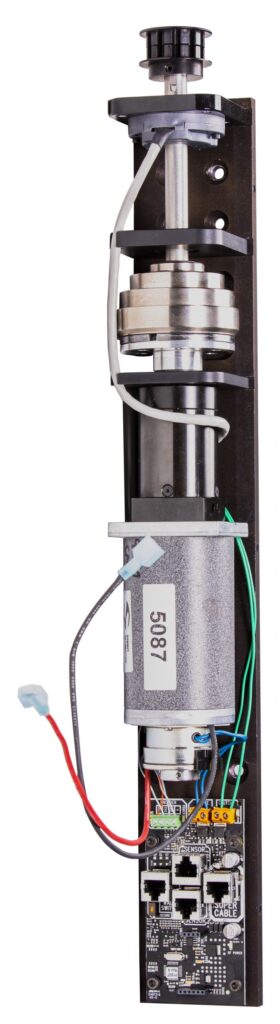
DOOR MOTOR
Compact movement for smaller sliders.
The Tahoe is a compact sliding door motor for suitable single-panel and lighter doors. An option where installation space is limited and the opening needs convenient everyday operation.
Single-panel and lighter sliding doors
DOOR MOTOR
More movement in a smaller footprint.
The Sierra slimline sliding door motor brings automation to suitable two- and three-panel door systems. Its compact format makes it a useful starting point when the design leaves limited space for a motor.
Two- and three-panel door systems
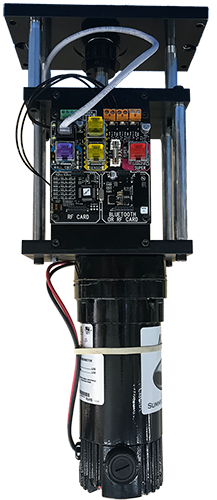
DOOR MOTOR
Power for expansive sliding doors.
The Peak motor provides an automation option for larger sliding and stacking doors. Airla assesses the moving panel weight, opening configuration and available installation space to confirm its suitability.
Larger sliding and stacking doors
DOOR MOTOR
A motor for ambitious openings.
The Everest heavy-duty door motor is an option for oversized and multi-panel door systems. Airla works with your manufacturer to assess the load, hardware and integration requirements.
Oversized and heavier door systems

DOOR MOTOR
Automation for a statement entrance.
A motor designed for suitable pivot doors, with installation options above the opening or within the head track. Plan the motor position and controls early to complement the door design.
Internal and external pivot doors
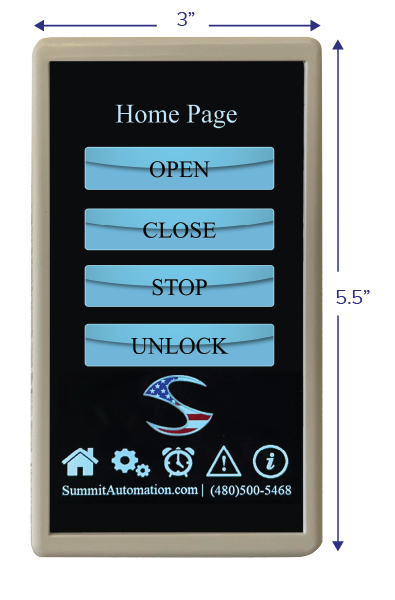
CONTROL & ACCESSORY
A premium interface for everyday movement.
Open, close, stop and unlock compatible door automation from a wall-mounted touchscreen. Explore touch-free activation, automatic screen brightness, a customisable display, timed operating modes, passcode protection and guest settings. Airla confirms the features and connections for your selected system.
Premium touchscreen door control
CONTROL & ACCESSORY
The connection between motor and controls.
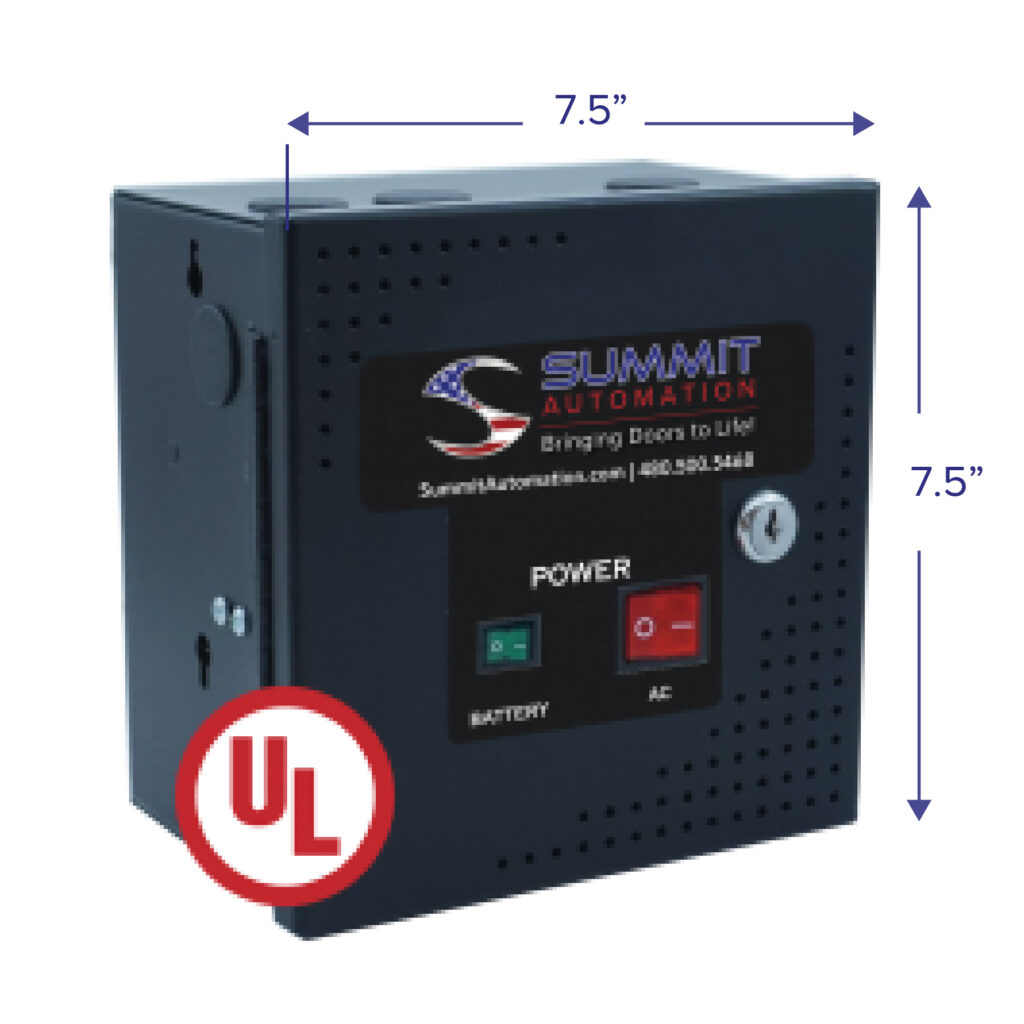
The motor control unit manages a compatible door motor and connects the selected operating controls. It supports adjustable motor operation and battery backup within the configured system.
Compatible door motor systems

CONTROL & ACCESSORY
Simple operation. More ways to use it.
Choose a wired or wireless door wall switch in black or white, with open, close, stop and unlock functions and an optional four-digit security code. The upgraded 6-in-1 control adds timer functions and a proximity sensor for hands-free operation. Airla confirms the kit for your motor.
Standard wall switch or upgraded 6-in-1 control
CONTROL & ACCESSORY
Control that moves with you.
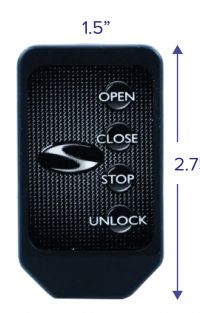
A handheld remote fob for compatible door automation systems. A practical option when you want to operate the opening from another position in the room or as you approach it.
Portable door control
Automation in motion
This fresh angle from Wildfire shows the sliding panel travelling beside the waterfront terrace. The motor makes the opening easier to use while the door remains part of the architecture. Selection starts with the panel weight, configuration, hardware and mounting space.
Ideally, during design and documentation. Early coordination helps reserve motor space, fixing points and cabling before the door system is manufactured.
An existing door may be suitable. Its condition, hardware, moving weight, access and available fixing space need to be assessed first.
Include plans or photos, the opening manufacturer, configuration, dimensions, total moving panel weight if known, and the current project stage.
Share drawings or photos of the opening, or a project message that explains what you would like to automate. We’ll help identify suitable motors, controls and the next steps.