Awning and high-level windows
Chain winders provide powered operation for suitable awning windows. The range includes compact single-chain options and larger or twin-chain actuators for different opening requirements.

AWNING, HIGH-LEVEL & LIFTING WINDOWS
Make natural ventilation part of everyday life with Airla window automation. We select chain winders, power struts and controls for suitable awning, high-level and hard-to-reach windows supplied by your chosen manufacturer.
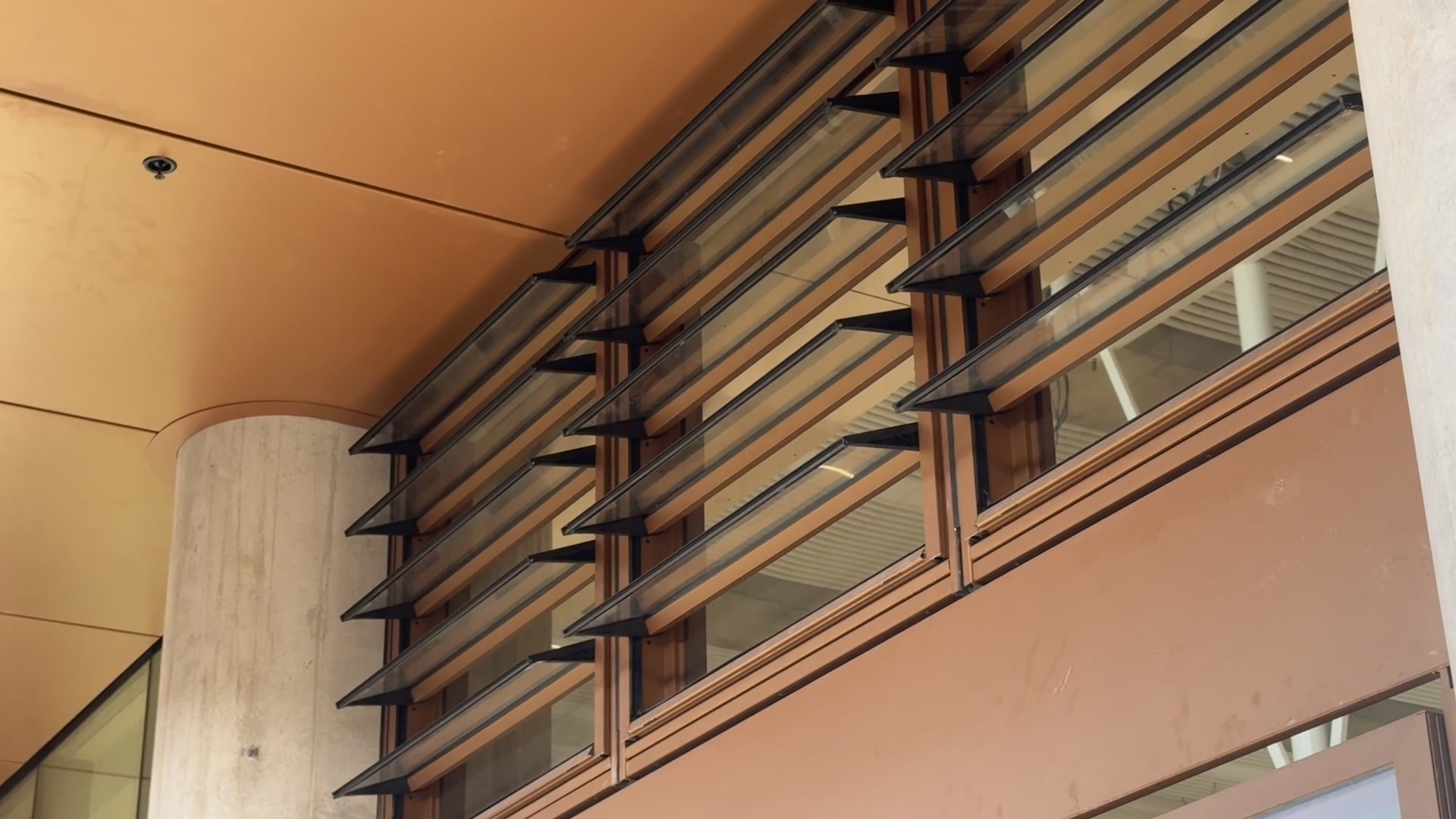
DESIGNED AROUND THE OPENING
When a window is difficult to reach or inconvenient to operate, automation can make everyday ventilation easier. A wall switch or remote lets you operate a suitable opening from a more useful position.
The actuator must suit the way the sash moves. We assess the window size, weight, required travel, hardware and fixing points before selecting a chain winder or power strut.
Chain winders provide powered operation for suitable awning windows. The range includes compact single-chain options and larger or twin-chain actuators for different opening requirements.
Power struts offer another approach for suitable awning and lifting sashes. Airla coordinates strut travel, mounting brackets and the opening geometry with the manufacturer.
Operate windows individually or in coordinated groups using compatible controls. Where suitable, environmental sensors can provide inputs for a configured response to changing weather.
Airla supplies, installs and commissions automation. Your chosen manufacturer supplies the doors, windows and glazing. Motor, actuator and control selection is confirmed against the opening, hardware, installation space and project requirements.
WINDOW AUTOMATION APPLICATIONS
Bring suitable awning windows within everyday use. Chain winders and compatible controls can help operate windows that are difficult to reach by hand.
Explore powered operation for a suitable servery or lifting window. The sash movement, mounting space and operating requirements guide the automation selection.
Select controls for individual windows or compatible groups of openings. Discuss wall switches, remotes and environmental sensors around the way the space is used.
WINDOW AUTOMATION / ACTUATOR SELECTION
Opening travel is only one part of window actuator selection. Sash weight, height, width, stays and fixing points need to work together. These single-actuator figures help narrow the options for awning and high-level windows.
| Actuator | Push / pull force | Chain projection | Maximum sash weight | Maximum H × W |
|---|---|---|---|---|
| SCE100S | 250 N | 100 mm | Below 25 kg | 1,500 × 1,200 mm |
| SCE300S | 250 N | 300 mm | Below 25 kg | 1,500 × 1,200 mm |
| LCD300 | 400 N | 300 mm | Below 40 kg | 1,800 × 1,200 mm |
| TCE300 | 800 N | 300 mm | Below 80 kg | 1,800 × 2,400 mm |
Source: Manufacturer chain-winder table, p. 37. Non-friction stays are required. Synchronised arrangements have separate ratings. IP rating, speed and duty cycle need confirmation for the selected actuator.
For suitable lifting windows, the 600N and 1000N power-strut families use 24 V DC. The standard selection chart includes 250, 310 and 410 mm throws. The permitted sash weight changes with the selected order number and sash height; it cannot be inferred from the family force alone.
Use the manufacturer’s strut selection chart with Airla and your window manufacturer to confirm the weight rating, length, cut-out and mounting arrangement.
Explore chain winders, power struts and compatible controls. Airla confirms the actuator, power and control arrangement for the actual opening.
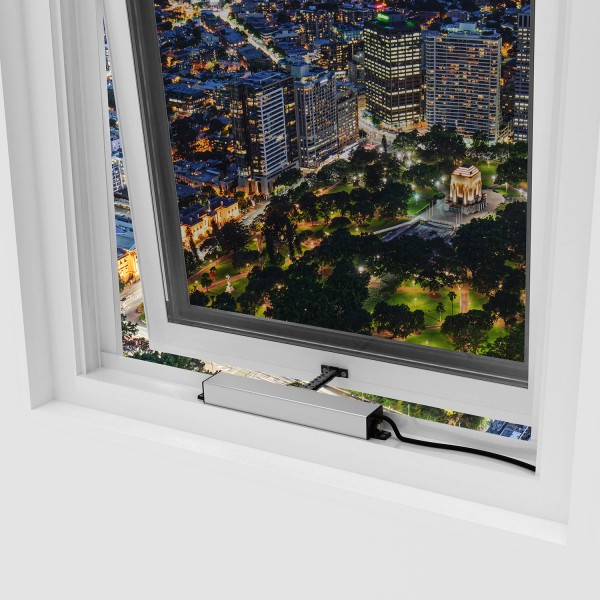
WINDOW ACTUATOR
Compact control for awning windows.
A small electric chain winder for suitable lightweight awning windows. The SCE100S offers a shorter chain projection for openings where a compact actuator is required.
Smaller awning windows

WINDOW ACTUATOR
Bring everyday ventilation within reach.
A compact electric chain winder with a longer chain projection than the SCE100S. An option for suitable residential awning windows and openings that are difficult to reach by hand.
Residential awning windows
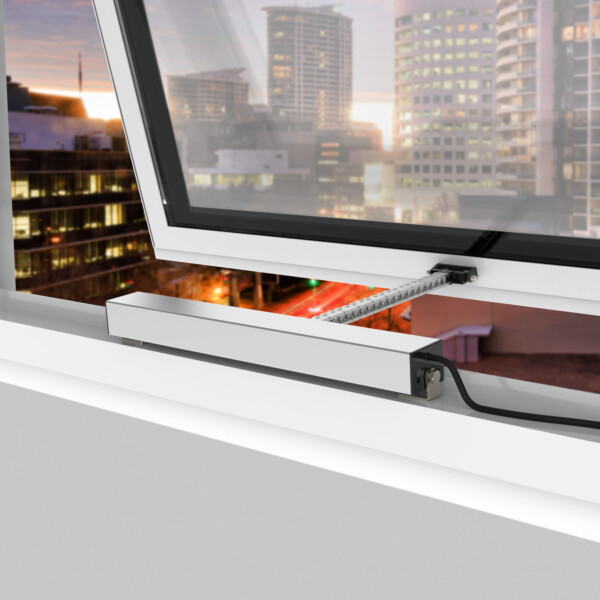
WINDOW ACTUATOR
A chain winder for larger openings.
The LCD300 provides a larger single-chain actuator option. Airla assesses the window size, sash weight, fixing points and required opening travel before recommending it.
Larger awning windows

WINDOW ACTUATOR
Coordinated movement across a wider sash.
A twin-chain winder for suitable wider window openings. The TCE300 provides two points of operation and is an option to assess for larger or commercial window applications.
Wider window openings
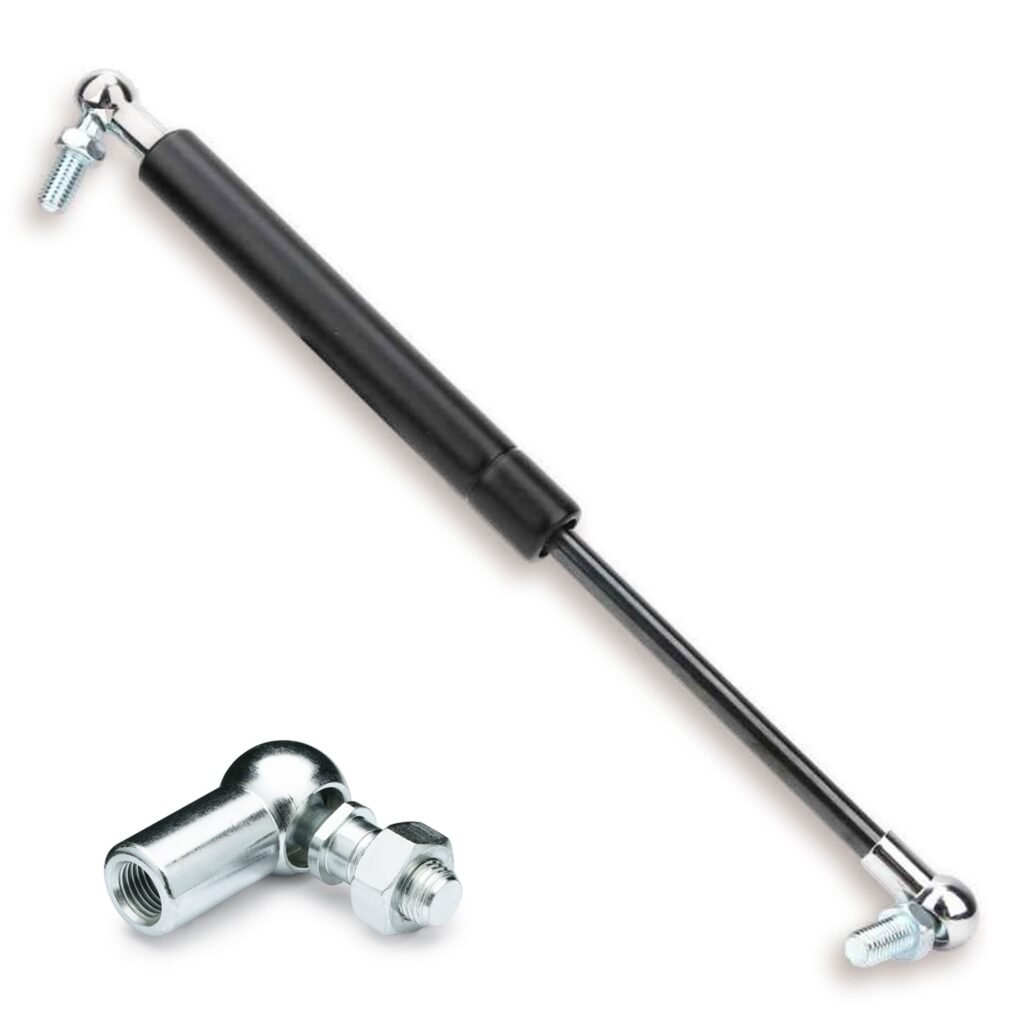
WINDOW ACTUATOR
Powered assistance for smaller sashes.
The 600N power strut range offers powered operation for suitable smaller awning windows. The strut travel, brackets and sash geometry are selected around the opening.
Smaller awning and lifting windows
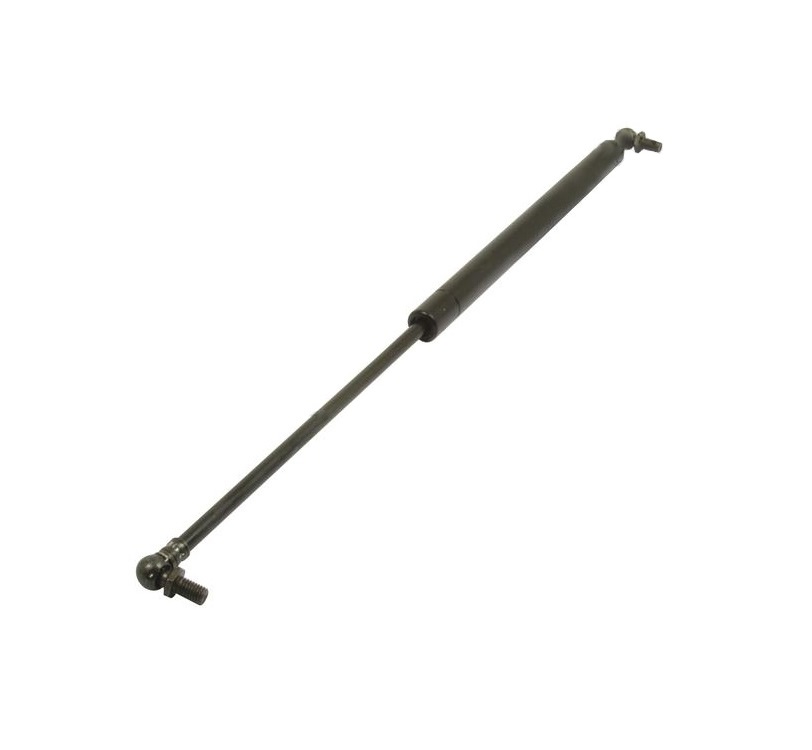
WINDOW ACTUATOR
A stronger lift for larger awning windows.
The 1000N power strut range provides an actuator option for suitable larger awning windows. Airla coordinates strut selection and fixing details with your window manufacturer.
Larger awning and lifting windows
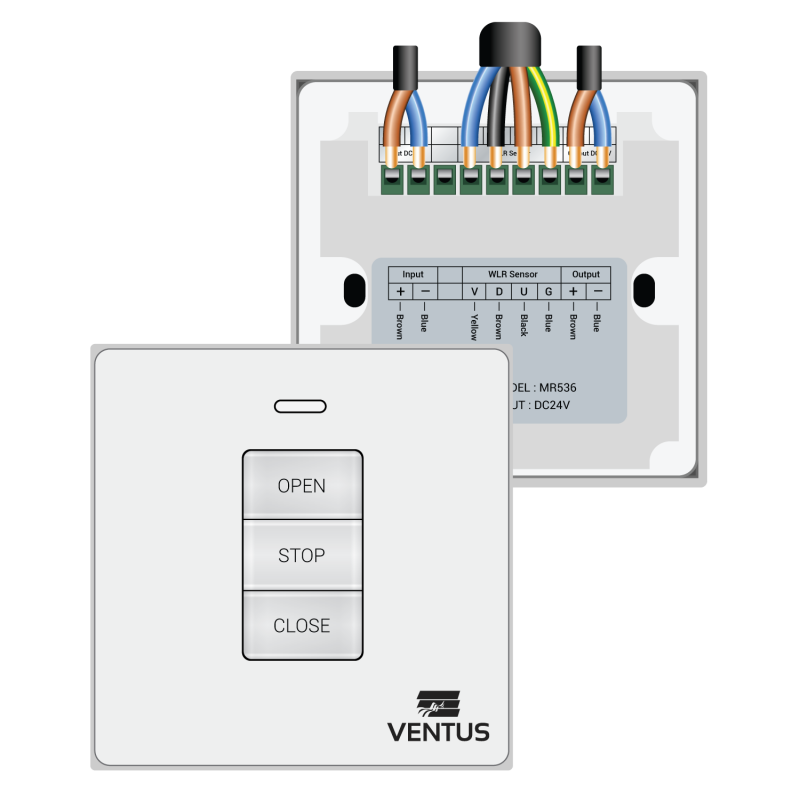
CONTROL & ACCESSORY
Control for a smaller window group.
A single-channel window controller for compatible window actuators. An option for smaller installations where a group of windows should operate together.
Smaller groups of compatible windows
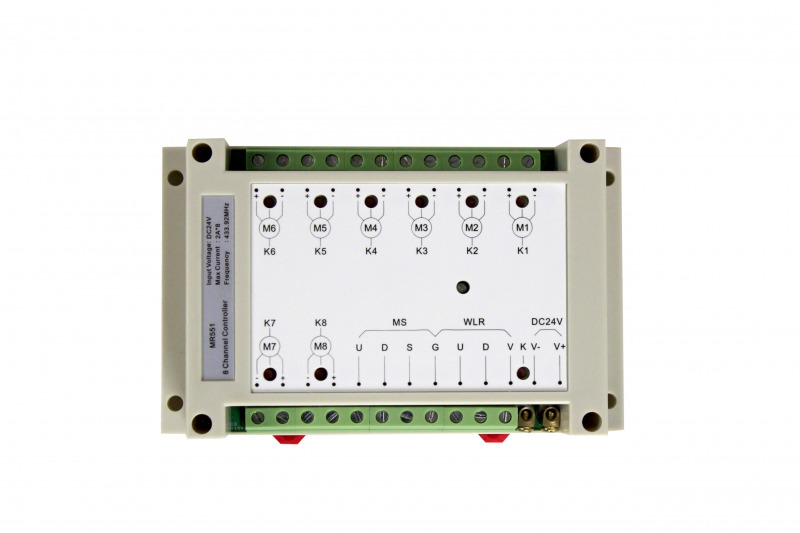
CONTROL & ACCESSORY
Coordinate several window openings.
An eight-channel window control panel for compatible window automation. An option for projects that need control across multiple openings and coordination with a building automation system.
Multiple windows and automation integration
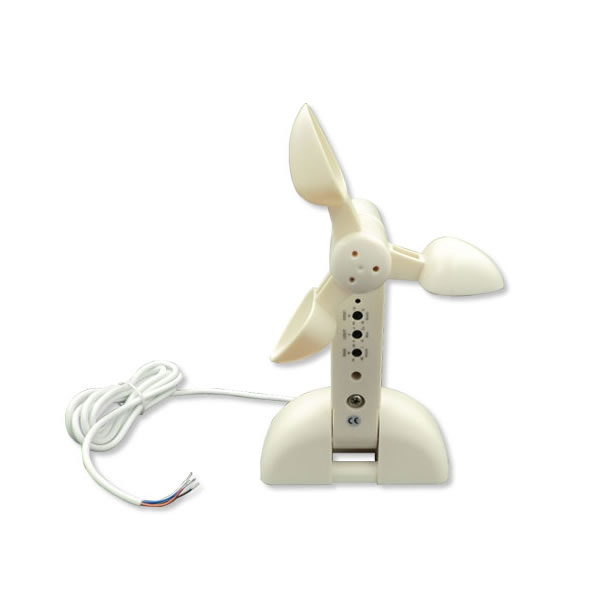
CONTROL & ACCESSORY
Let the controls respond to the weather.
A wind, light and rain sensor for compatible window automation. It provides environmental inputs so the configured system can respond to changing conditions.
Weather-responsive window operation
Automation in motion
This close view from the St George Illawarra Dragons Centre of Excellence facility shows the high-level window bank moving in the completed interior. Window automation can make suitable openings usable from accessible controls, supporting planned natural ventilation.
Automation in motion
A kitchen servery can be difficult to operate when the opening is large or sits beyond the benchtop. Watch the Merewether window and courtyard arrangement in motion, then explore actuators matched to the size, hardware and opening direction.
The window and glazing come from your chosen manufacturer. Airla provides the automation components and agreed services.
Compatible sensors and controllers can be configured for an environmental response. We confirm the function and suitability as part of the selected system.
Send the window type, manufacturer, sash dimensions and weight if known, opening travel, mounting details and drawings or photos.
Share drawings or photos of the opening, or a project message that explains what you would like to automate. We’ll help identify suitable motors, controls and the next steps.